What’s Really Driving Value For PE Investors?

There is a lot of talk about private equity these days, and for good reason. We’ve all heard about the liquidation of Toys ‘R’ Us, and watched as many other Americans at PE-owned companies have lost their jobs, particularly in retail.
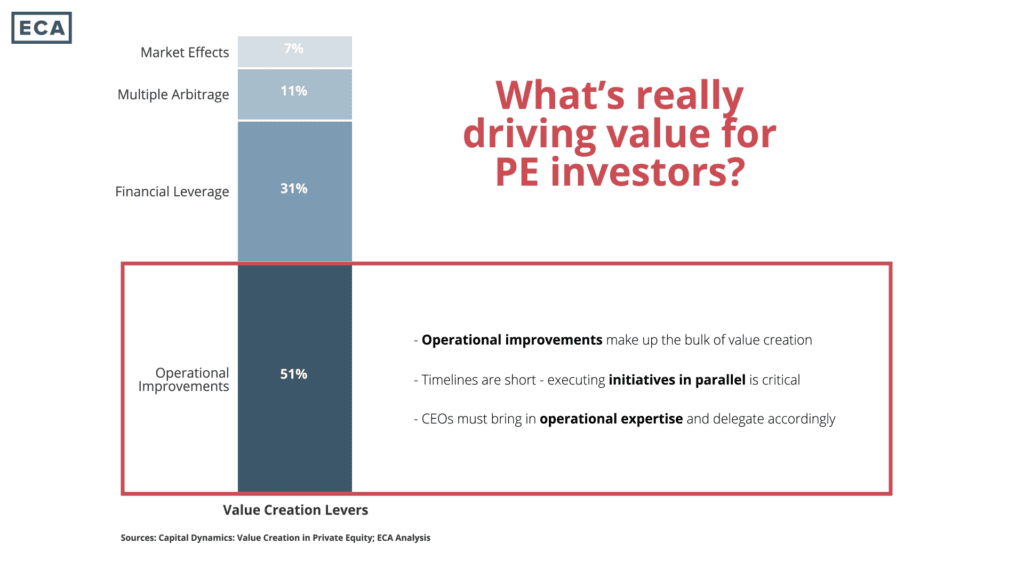
According to The Center for Popular Democracy, private equity investors are “responsible” for 597,000 jobs lost in retail over the past 10 years. Though hardly an unbiased source, layoffs are no doubt an unfortunate side effect of staying competitive in a fast-changing marketplace. Retail in particular is experiencing some tough times, with companies forced to innovate…or disappear. The fact is that Americans are changing the way they live and shop, and that has ramifications across the retail value chain.
It’s easy to focus on the downside of economic growth – let’s face it, it makes for good headlines and sensationalism sells. It’s much harder, however, to see all the good private equity investors do for the global economy. So how is it that private equity professionals are able to create value? Well, the bulk of value creation comes from operational improvements – which create both value for investors and high-value jobs across the retail supply chain. In fact, more than half of the value private equity investors realize is from operational enhancements…but what does that mean?
The interesting thing to note is that none of these operational improvements involve layoffs of any kind. In fact, a lot of these improvements require hiring additional full-time team members and temporary project support. PE professionals face tough decisions, tight timelines, and must consistently deliver value for GPs and LPs. While it’s easy to focus on the downside of private equity, it’s important to stress the many ways PE is (re)building the U.S. and global economy. In doing so, we can see ways to move the ball forward and sustain economic growth over the long term.
Ken Kanara is President and Managing Director at ECA. He leads the firm’s private equity practice, and works with PE and portfolio company executives to place top tier talent for project and permanent roles.
Have a role you'd like to discuss?
Looking to expand your team?
Expertise
Insights
Commentary & Thought Leadership
Evidence Based RecruitingCase StudiesBlogBeyond Consulting PodcastNot So Private Equity Podcast


